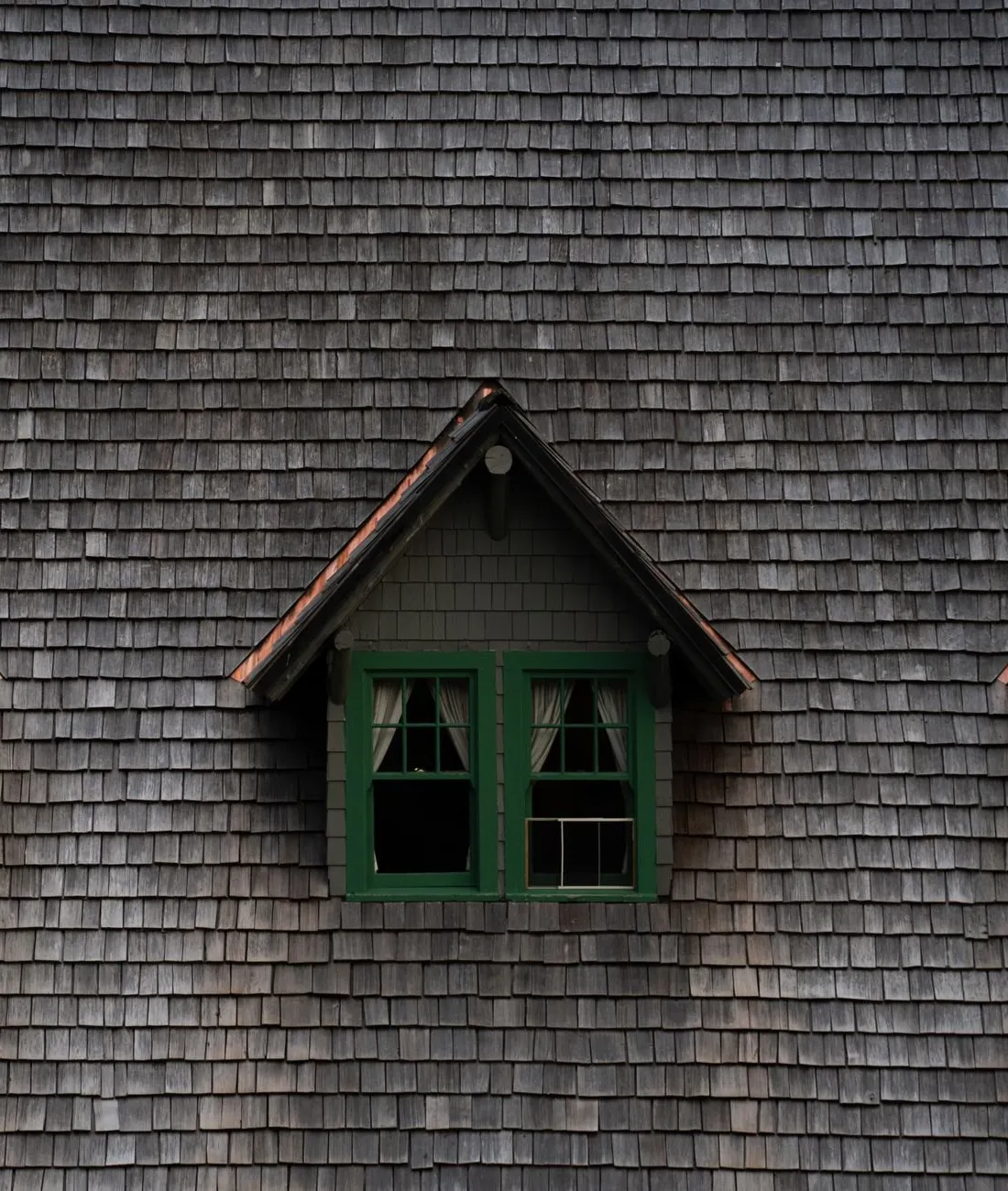
Shingles
Missing, lifted, cracked or bald. The most common repair on a north Houston roof and usually the cheapest to catch early.
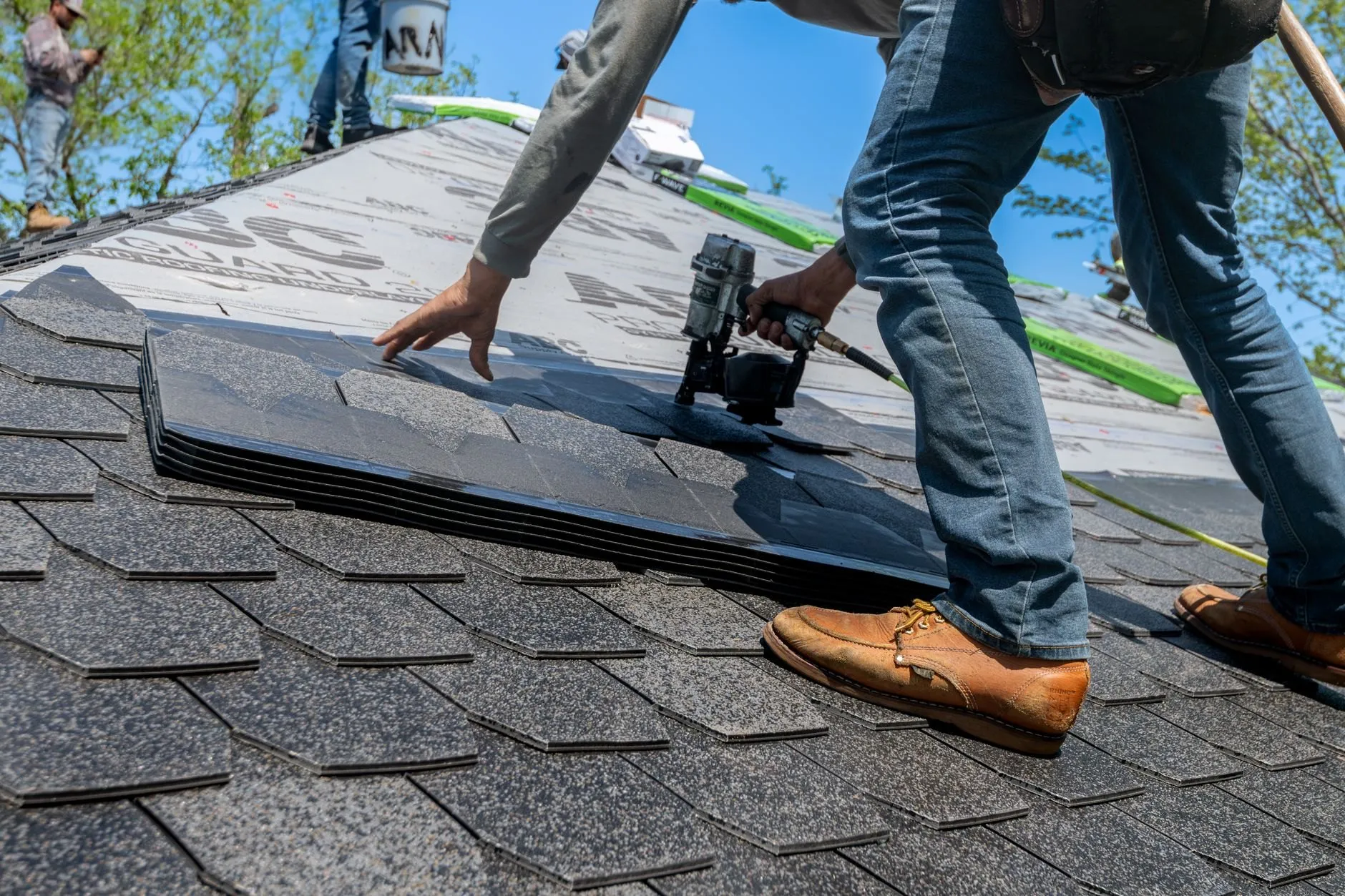
North Houston, Texas
Tell us what is going on with the roof and where the house is. We pass it to one independent roofing contractor working in your part of north Houston, and he contacts you directly.
Why it matters
Texas gets more hail than any state in the country.
A small leak this spring is a ceiling down by the next one.
The roofer who was here before the storm is the one who will be here after it.
Roof problems
What each one looks like from the ground, what causes it in this climate, and what a proper fix involves.

Finding where the water is actually getting in, which is rarely where the stain is.
Read more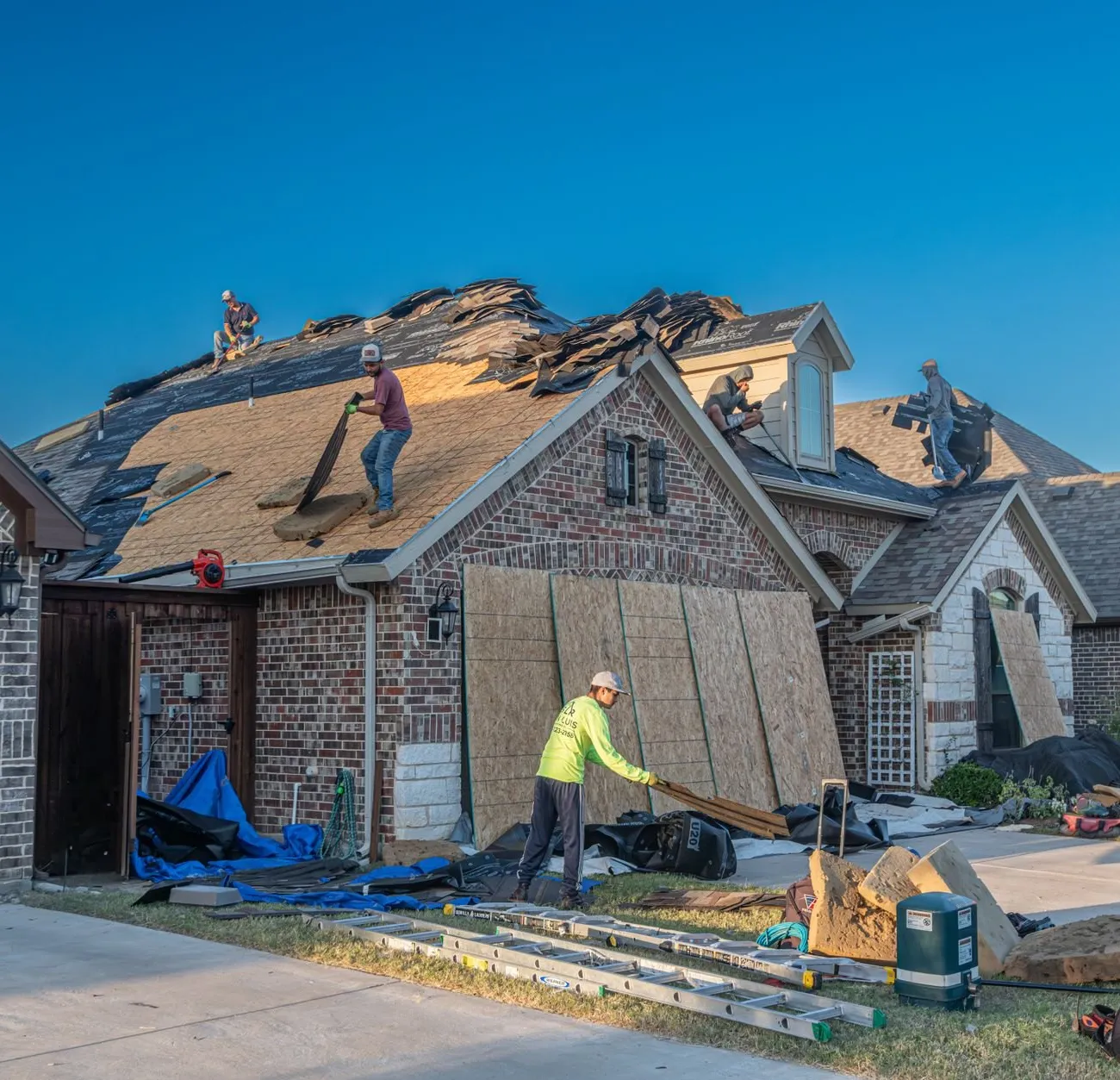
After the wind and rain have been through: what to check and what to do first.
Read more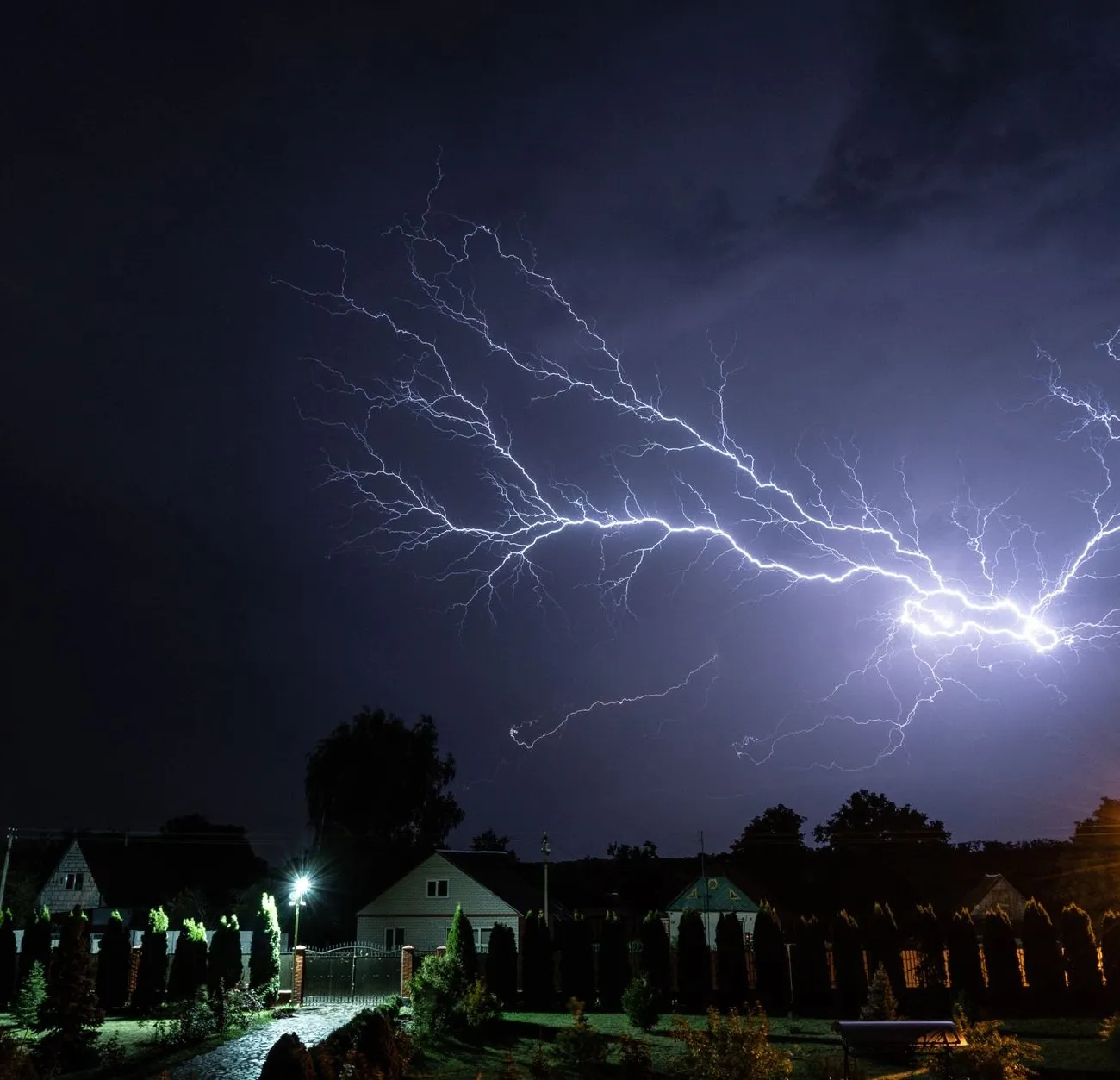
Hail bruises a roof rather than breaking it, and the damage shows up months later.
Read more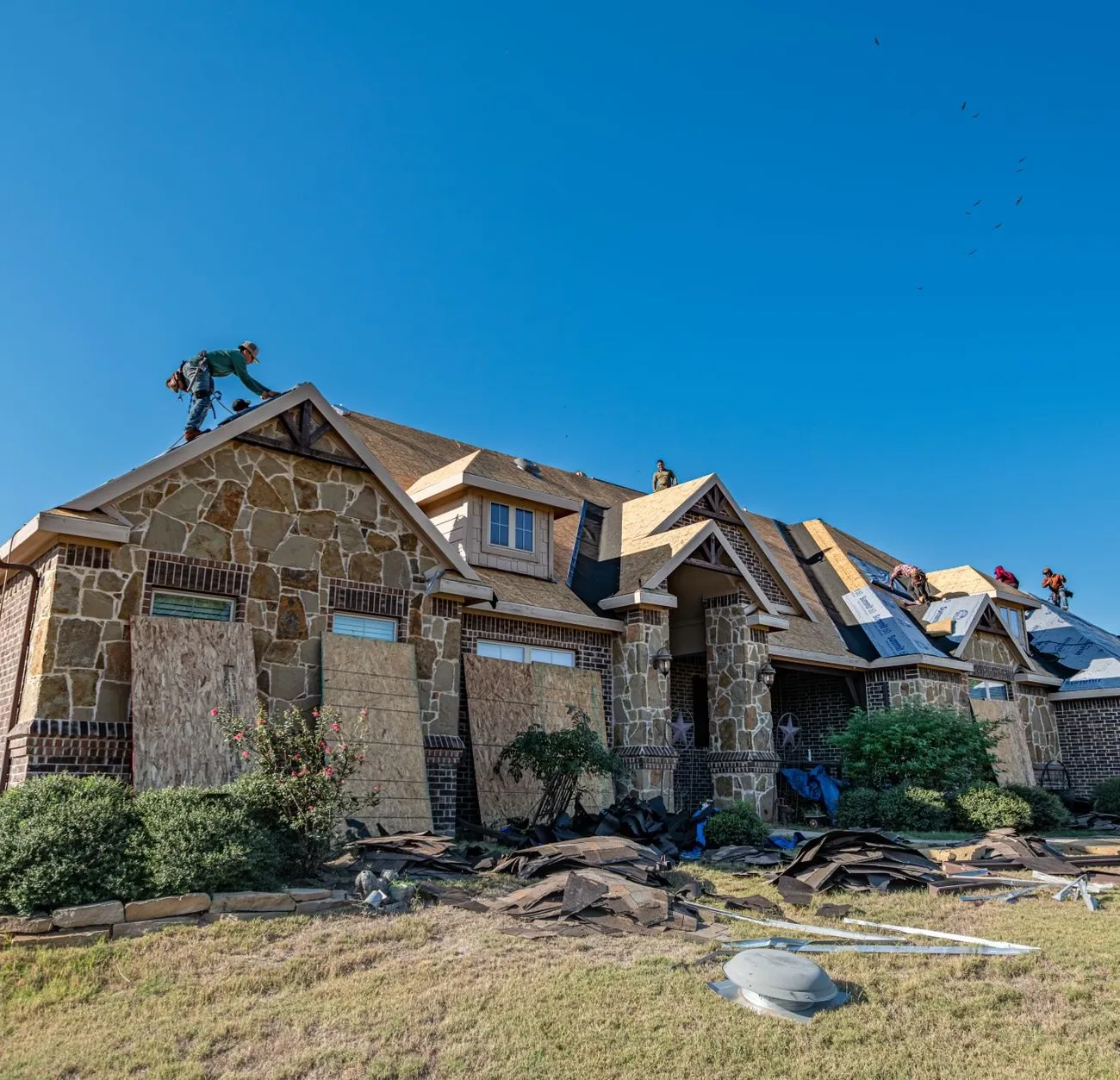
A few tabs off the roof is a cheap fix. The same tabs left for a season are not.
Read more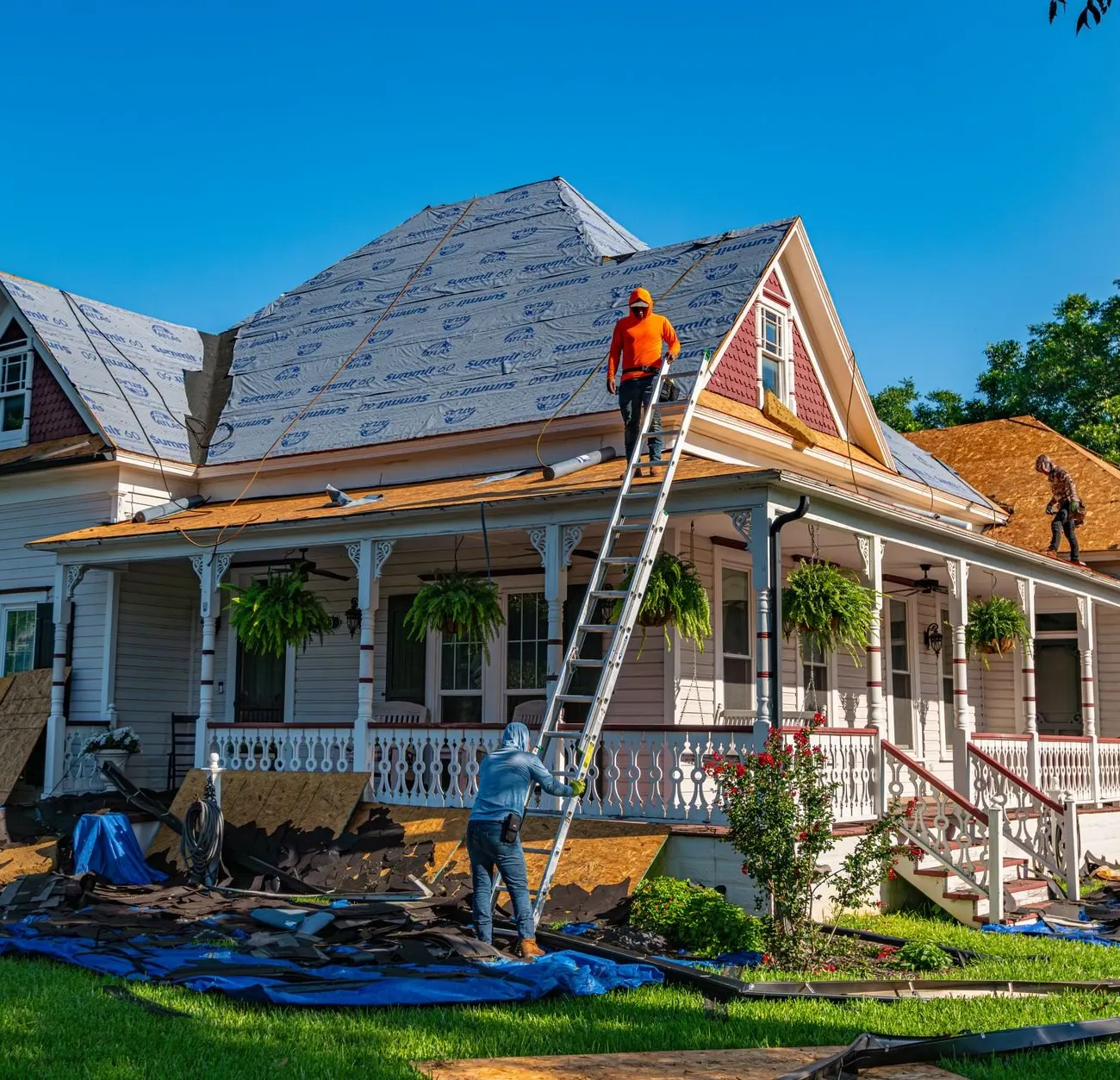
When the roof is open and it is going to rain again, the first job is to stop the water.
Read more
When the roof is past repairing, what a new one involves and what to ask for.
Read more
Low-slope roofs on additions, garages and small commercial buildings fail at the seams.
Read more
Metal lasts, but the fasteners and the seams do not, and that is where it leaks.
Read more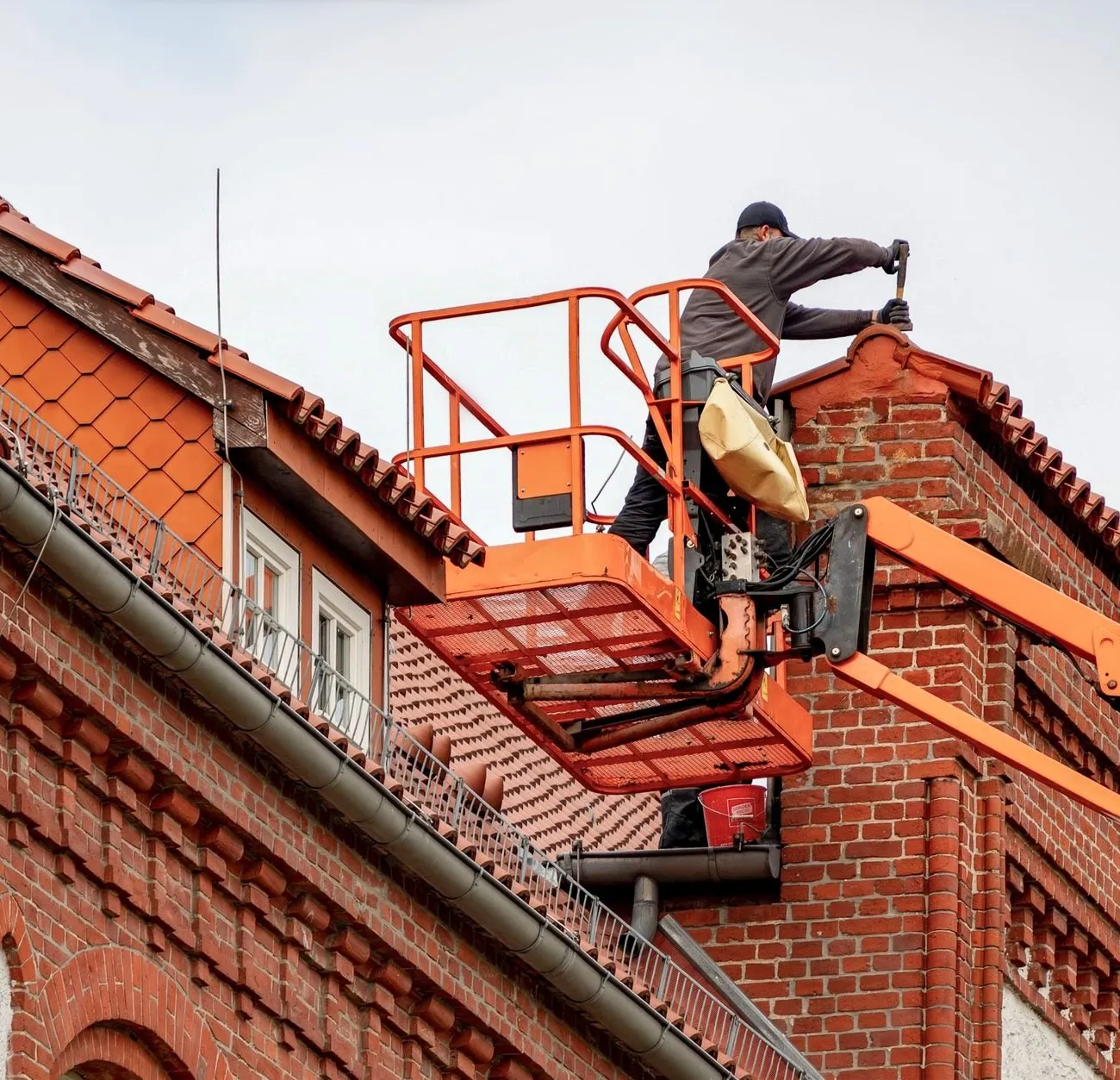
Most leaks are not in the roof at all. They are where something comes through it.
Read more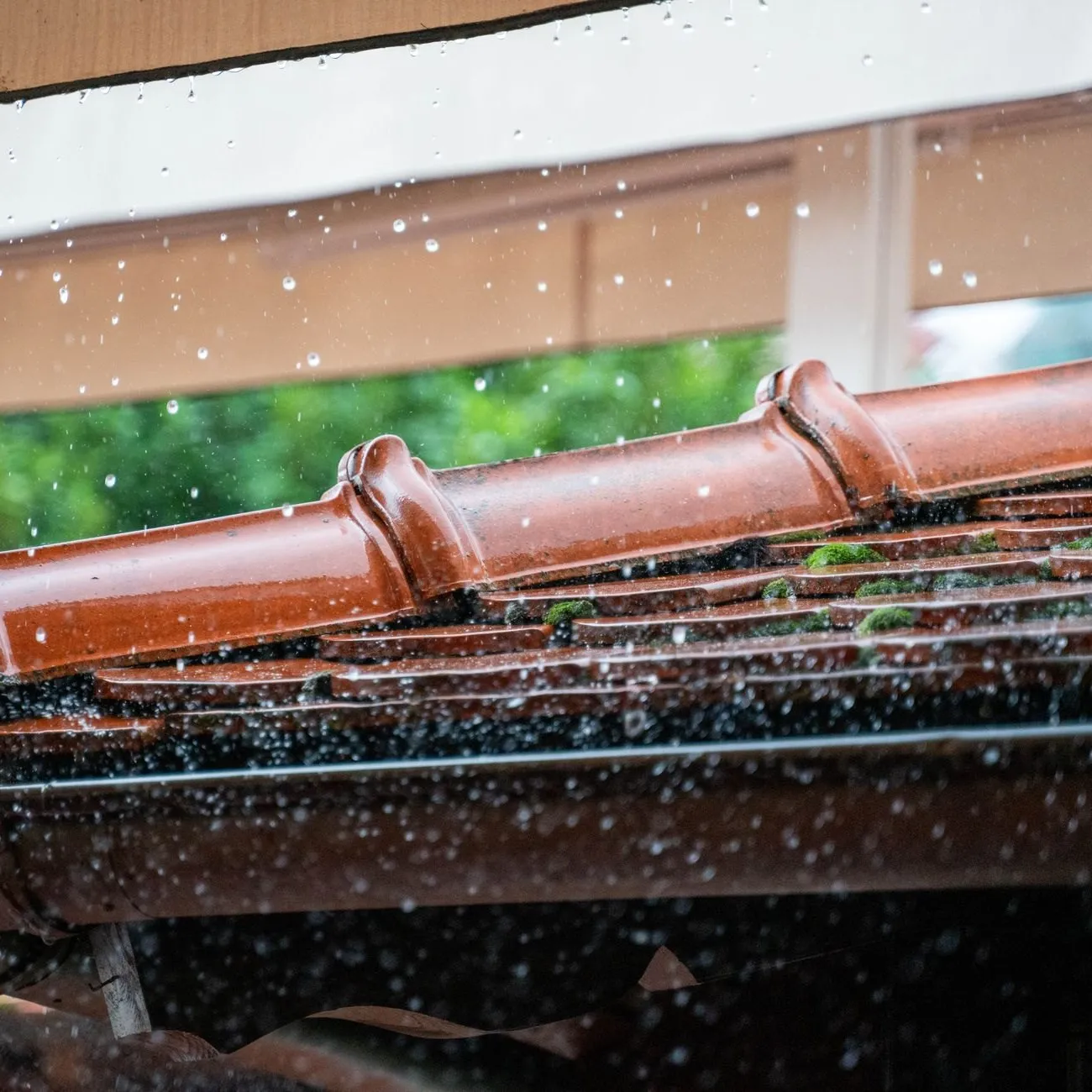
Gutters that overflow put the water against the house instead of away from it.
Read more
Before you buy, after a storm, or when the roof is just getting old.
Read more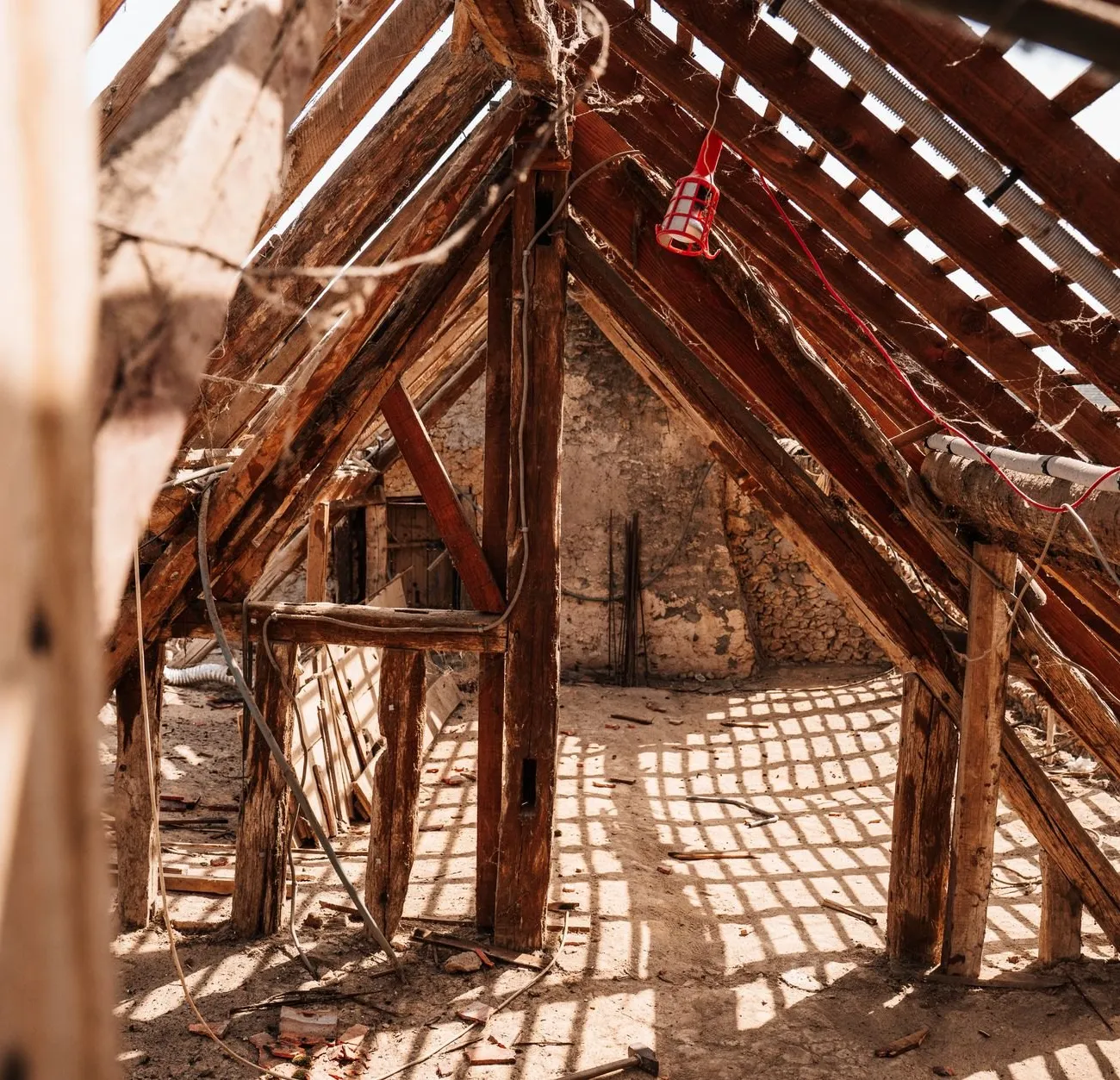
The boards under the shingles, and what happens when a leak has been feeding them.
Read moreWhere it fails
Run across them. Each one opens.
Missing, lifted, cracked or bald. The most common repair on a north Houston roof and usually the cheapest to catch early.
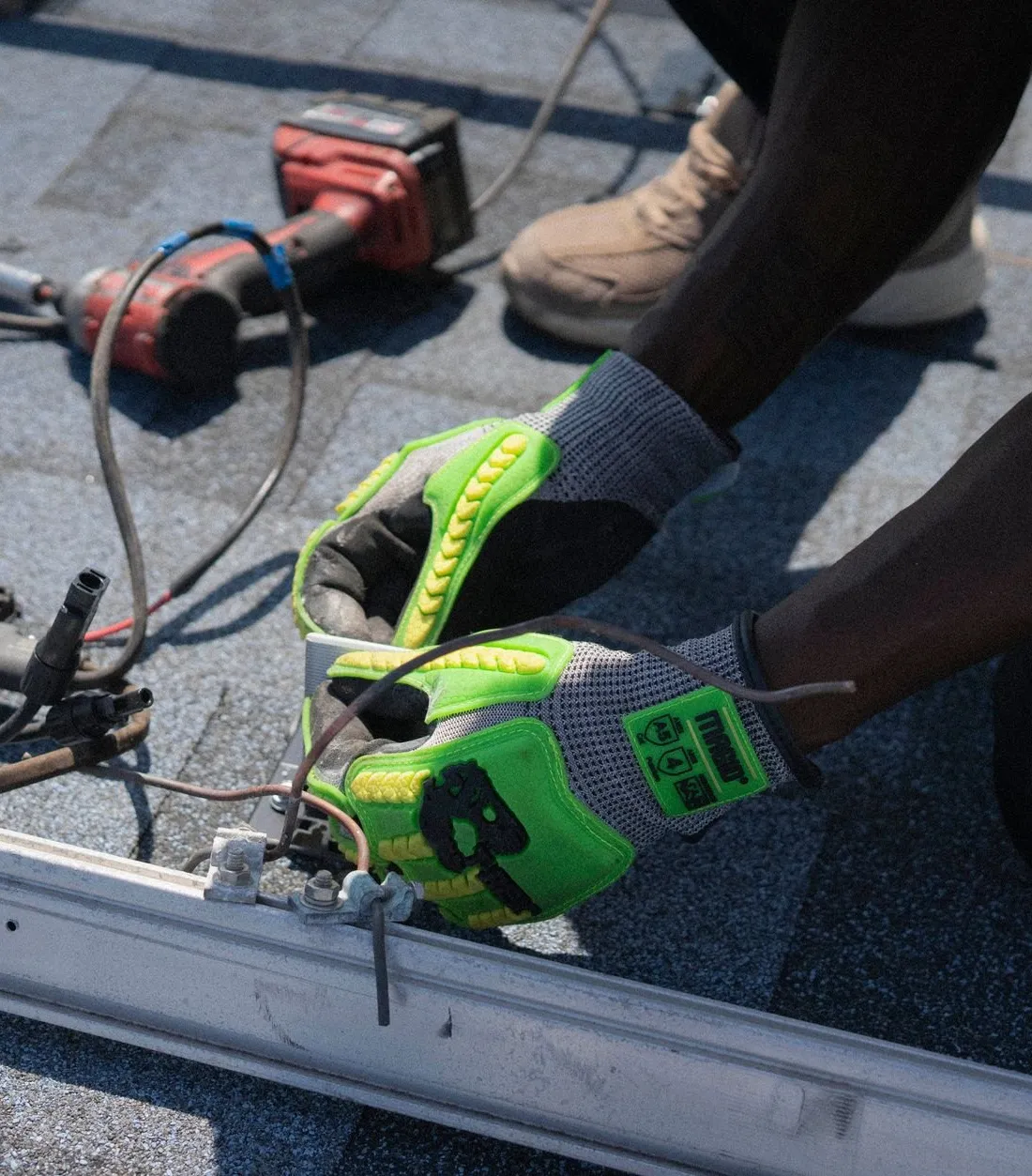
Where the roof meets a chimney, a wall or a vent is where most leaks actually start.
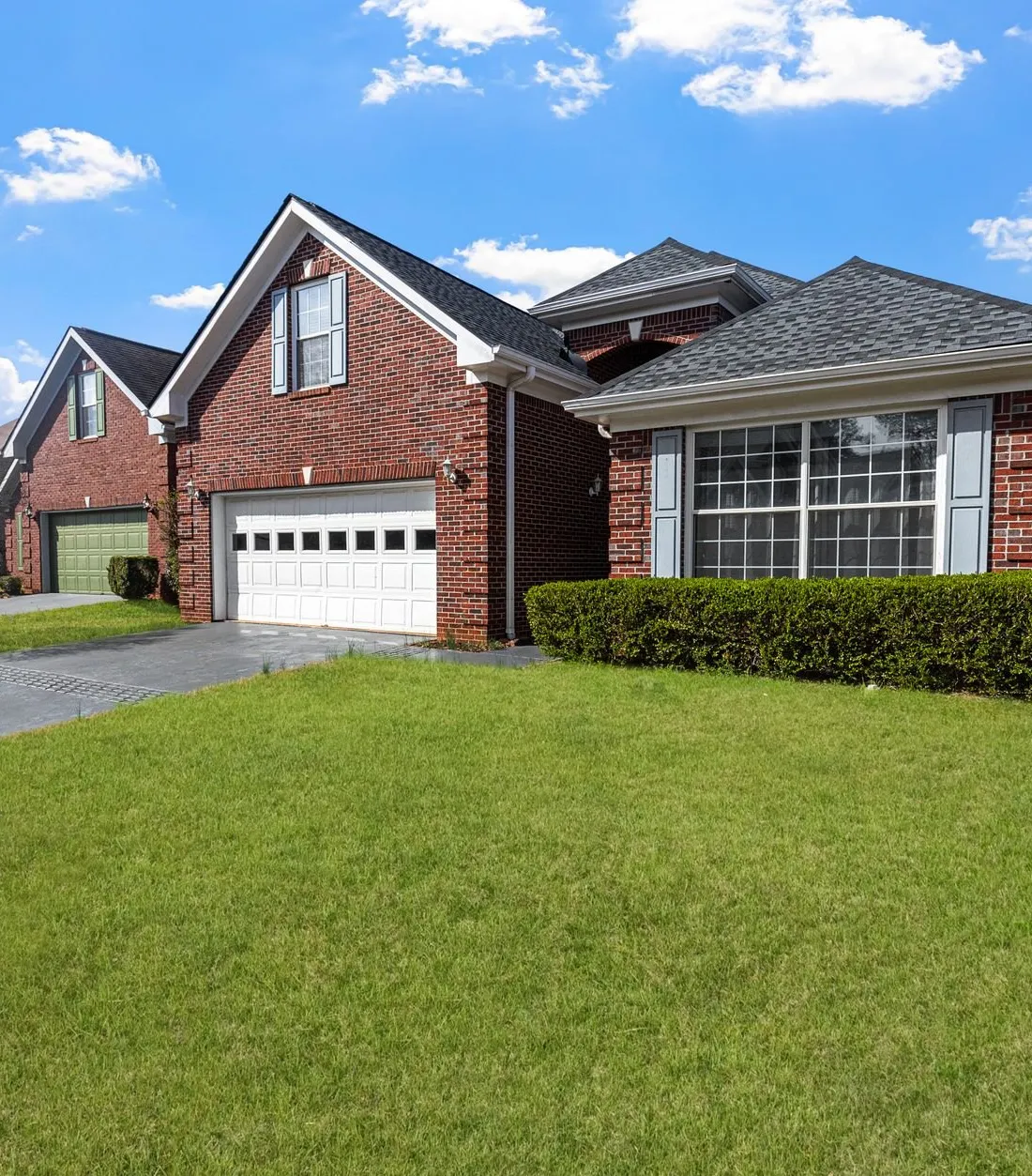
Past twenty years, or hit across every slope by hail, it stops being a repair question.

How it works
Where
Each town is different. The pines over Kingwood are not the open wind at Dayton, and the roofs show it.
Subdivisions from the seventies through the nineties under tall loblolly pine, which means twenty-year roofs under a constant rain of needles and the odd limb.
The Livable Forest. Mature trees on every lot, steep-pitched roofs from the eighties, and a lot of roofs replaced in the same two or three years after each big storm.
Montgomery County, fast-growing, with newer tract roofs next to older country houses and a lot of metal on outbuildings.
Acreage, wooded lots and new construction along 59, where wind across open ground and pine limbs are the two things that take roofs apart.
Small-town Montgomery County, rural lots, older houses, metal roofs on half the outbuildings and not many roofers based locally.
East Harris County, open land and older subdivisions near the lake, with wind off the water and hail from the storms that follow the San Jacinto.
Liberty County, country roofing: long driveways, metal on the shop, a shingle roof on the house, and the nearest big-town roofer a long drive away.
Master-planned with covenants on what the roof can look like, large roofs under dense tree cover, and a replacement market dominated by hail claims.
Straight answers
Get connected
One independent roofing contractor working in your town gets these details and contacts you. Nobody else does, and there is no charge and no obligation.
That is the first thing the contractor will tell you, and it costs you nothing to ask.
Get connected