Roof problems
Emergency Roof Tarping
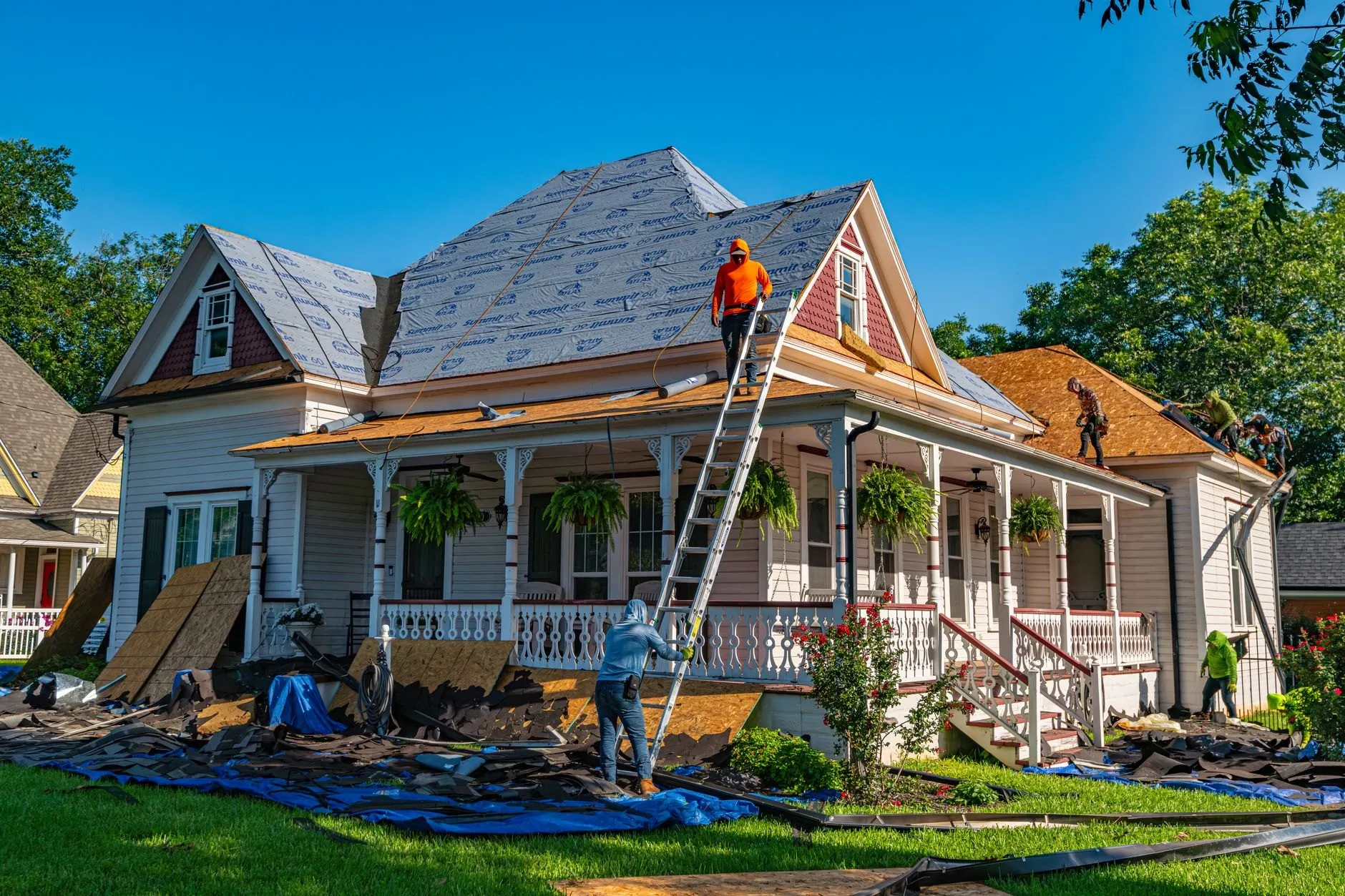
When the roof is open and it is going to rain again, the first job is to stop the water.
A hole in the roof is a different kind of problem from a leak. A tree limb through the decking, a section of shingles stripped to the boards, or a ridge torn open means the house takes water with every shower, and in Houston the next shower is never far away. The job in the first day is not to fix the roof. It is to cover it.
A proper emergency tarp is fastened with battens over the ridge, not weighed down with bricks, so the next gust does not take it with it. It buys weeks, which is usually what you need to get an adjuster out, get an estimate written and get materials ordered. It is also the point at which you want the damage photographed, because once the tarp is on, nobody can see what was underneath it.
Do not go up there yourself. A wet roof with loose shingles on it is more dangerous than the hole. Describe what you can see from the ground, send a photo if you have one, and let somebody with the gear deal with it.
What it looks like
- A limb through the roof or sitting on a broken section
- Bare decking visible from the ground
- Water coming in during rain, not just a stain afterwards
- A section of ridge or a vent torn off
Whatever the problem turns out to be, the first step is the same: describe it, say where the house is, and one independent roofing contractor working in your town contacts you to look at it. No charge for being connected, and no obligation once he has.
Where
Emergency Roof Tarping across north Houston
Humble
Subdivisions from the seventies through the nineties under tall loblolly pine, which means twenty-year roofs under a constant rain of needles and the odd limb.
Kingwood
The Livable Forest. Mature trees on every lot, steep-pitched roofs from the eighties, and a lot of roofs replaced in the same two or three years after each big storm.
Porter
Montgomery County, fast-growing, with newer tract roofs next to older country houses and a lot of metal on outbuildings.
New Caney
Acreage, wooded lots and new construction along 59, where wind across open ground and pine limbs are the two things that take roofs apart.
Splendora
Small-town Montgomery County, rural lots, older houses, metal roofs on half the outbuildings and not many roofers based locally.
Crosby
East Harris County, open land and older subdivisions near the lake, with wind off the water and hail from the storms that follow the San Jacinto.
Dayton
Liberty County, country roofing: long driveways, metal on the shop, a shingle roof on the house, and the nearest big-town roofer a long drive away.
The Woodlands
Master-planned with covenants on what the roof can look like, large roofs under dense tree cover, and a replacement market dominated by hail claims.
Related
Get connected
Tell us what the roof is doing
One independent roofing contractor working in your town gets these details and contacts you. Nobody else does, and there is no charge and no obligation.
Roof problem in north Houston?
Tell us what is going on and where the house is. One independent roofing contractor working in your town contacts you directly. No obligation.
Get connected